How does my heart work?
Every day your heart beats about 100,000 times, pumping blood that carries vital oxygen throughout your body.

Introduction
Every minute, about five litres of blood are pumped through your heart. Oxygen-rich blood from your lungs flows into your heart and is then pumped through your arteries around your body. Your veins carry oxygen-poor blood back to your heart, ready to return to your lungs for another cycle.
If you live to the age of 70, your heart will have beaten about two billion times.
Twist and pump
As your heart beats, its four chambers contract and twist to pump blood around your body. Inside your heart, one-way valves open and close to keep blood flowing in the right direction. Ever wondered what makes the ‘lub-dub, lub-dub’ sound of a beating heart? It is the sound of your valves closing.
You’re electric
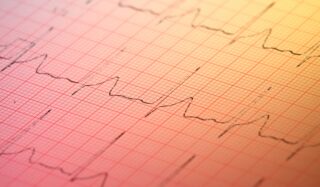
Your heart contains special cells called pacemaker cells that generate an electrical signal to control the rhythm of your heartbeat. You can see this electrical rhythm on an electrocardiogram (ECG), which shows the heart’s electrical activity. Because every heart is slightly different in shape, size and structure, your ECG will look different from anyone else’s – as unique as your fingerprint.
Heart in culture
For centuries, many people believed the heart was the source of human emotions. Today, we know it is the brain, but the heart remains a symbol of faith and love, with many examples found in popular culture.